
You can also now read the report on FracTracker’s website: fractracker.org/2026/11/colorado-oil-gas-chemical-disclosure-2026
The continued use of toxic and banned chemicals in Colorado, the failure to disclose drilling chemicals, and the lack of enforcement activity from the Energy and Carbon Management Commission (ECMC) are truly alarming.
Executive Summary
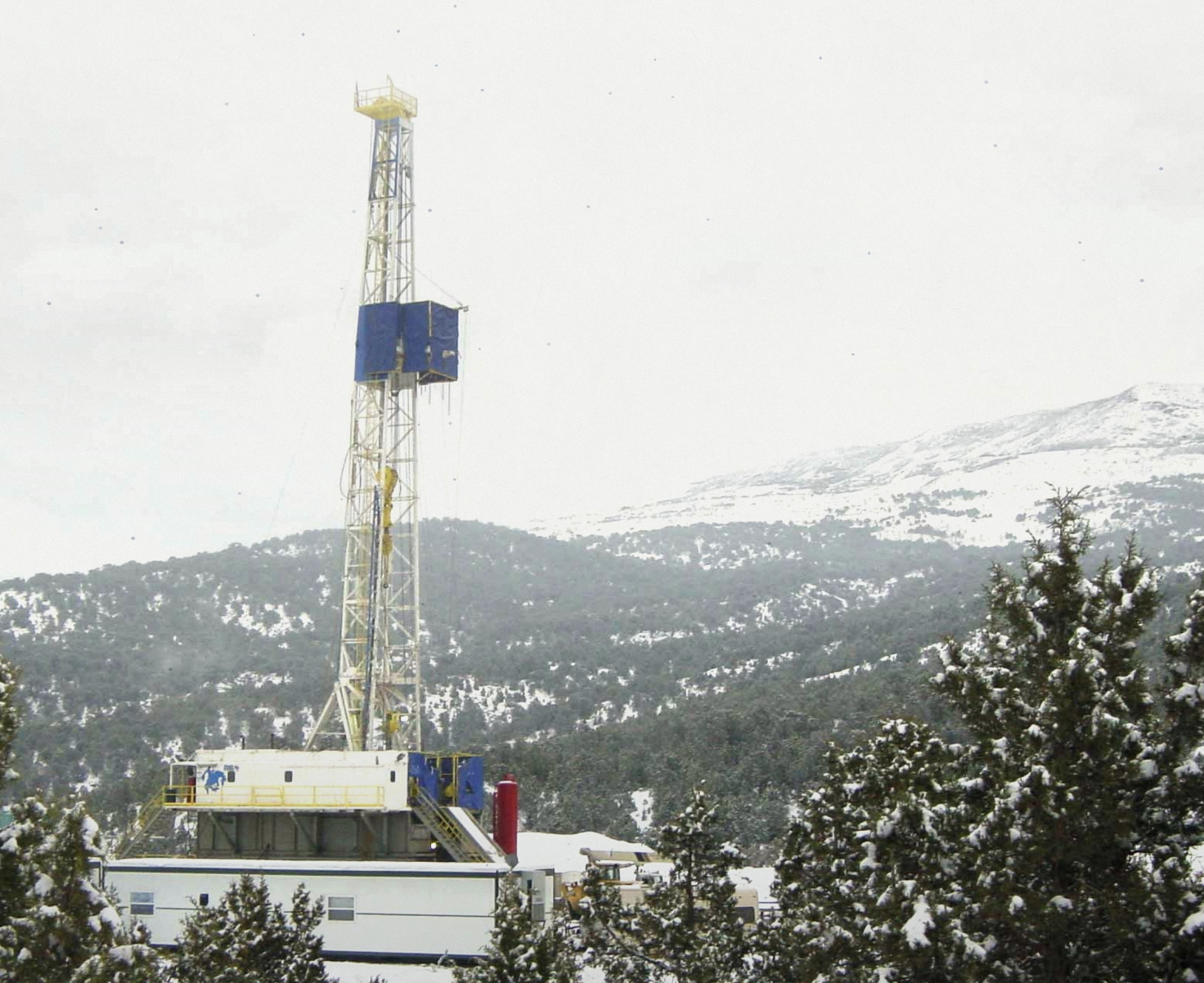
Coloradans are at risk of exposure to a mix of toxic and secret chemicals used in oil and gas wells, according to this second in a series of reports analyzing data disclosed under a 2022 state law, HB22-1348. The law expanded oil and gas chemical disclosure requirements and banned the use of toxic PFAS in wells with underground operations occurring on or after July 31, 2023. Some chemicals disclosed under the law and found to be widely used in Colorado include acrylamide and ethylene oxide, both linked to cancer. These substances were among those injected into a well in Galeton that sprayed a plume of gas and fluids across neighboring properties in 2025. The event led to evacuations of homes and a nearby elementary school.
However, alongside the troubling findings about disclosed chemical use, our investigation also found that many oil and gas chemicals continue to be used without disclosure, creating risks of unknowing exposure to toxic substances. That’s largely because regulators at the Energy & Carbon Management Commission (ECMC) tasked with implementing the 2022 law are still not fully enforcing the law’s requirement that oil and gas companies disclose all chemicals used underground in “downhole operations.” During oil and gas operations, companies can use chemicals in multiple underground operations including drilling, fracking, and enhanced oil recovery (EOR). But ECMC has required disclosure only of chemicals used in fracking. In addition, our analysis shows unexplained discrepancies in reporting based on a comparison between fracking chemical disclosures from the same well pads to ECMC under the 2022 law and to the FracFocus database under still-applicable 2012 rules. Our investigation also shows that oil and gas companies have disclosed the use of prohibited fracking chemicals which are banned by a separate state rule that took effect in 2021. An interactive map showing which chemicals were disclosed as being used on particular well pads, whether under the 2022 law or 2012 rules, can be found at this link. Finally, ECMC has provided conflicting statements about whether regulators or oil and gas companies are complying with the 2022 law’s provision requiring operators to notify first responders and others of the list of chemicals injected into nearby oil and gas wells. It is unclear whether this provision is being implemented.
Together, our findings show that Coloradans may be exposed to dangerous oil and gas chemicals, often without their knowledge – denying residents the opportunity to take steps to avoid or mitigate harm. This situation is what the law was intended to prevent.